
Claude can now make music videos
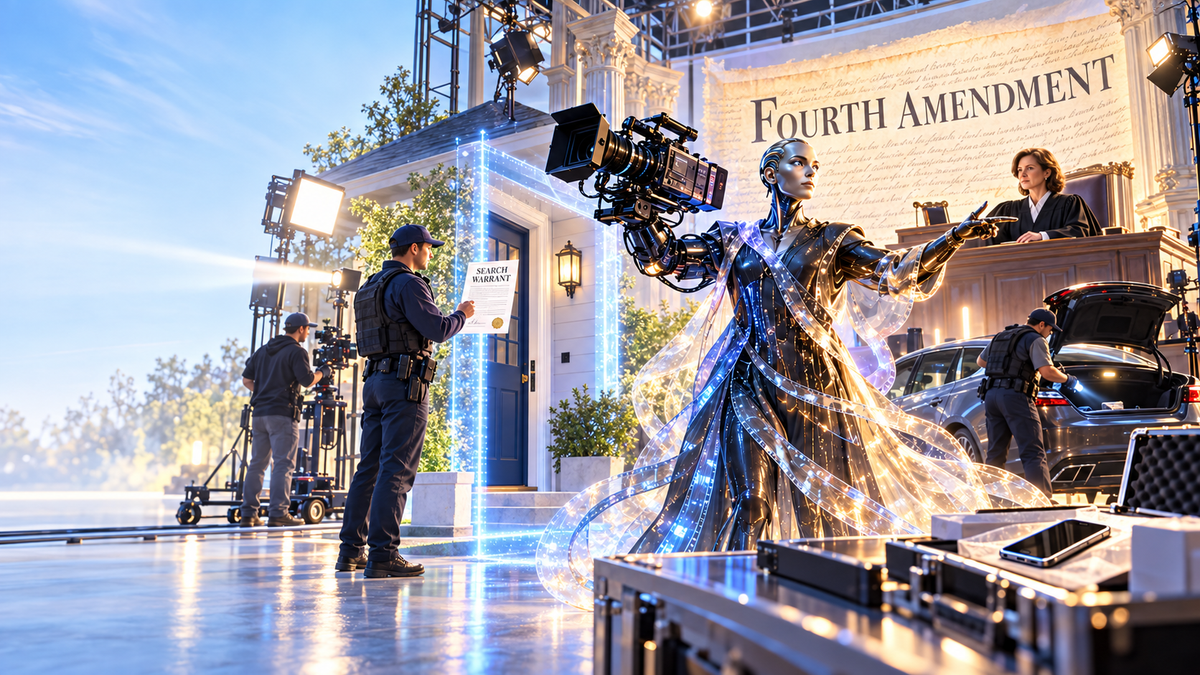
My constitutional law seminar students seem to be very interested in the Supreme Court decision in Chatrie v. United States (2026), about the fourth amendment and modern technology. So, I've been engaging with AI on how to generate materials that will help the students (and me) best learn that area of law. But while this effort was going on, I ran across this fabulous AI-generated music video from Armin Alimardani.
So I had to give it a try.
I have heard that you can make music videos. True?
Claude (Opus 5.5) said yes. I gave it a link to the Alimardani video and asked it if could make something like that on one or more of the Chatrie precedents (or other legal topics).
Again, Claude said yes and asked me a few questions. I asked for a singer/songwriter video with lyrics forward. (Maybe I should have gone for the pop tune?). I asked it to have a mix of generated visuals and quotes from the opinions. And I'm afraid that, plus my earlier scholarly colloquy with Claude, was the extent of my input.
Thirty minutes and a lot of tokens later – some from Claude, some from ElevenLabs – I had my result. Here it is.
Where the search begins
What do you think? Useful pedagogically? Good music? Fun? (See correct answers below)
By the way, I've also been making more conventional legal videos using Claude Opus 5.5. Here's an example.
The Kyllo video
More scholarly but perhaps less deserving of an Academy Award.
On a more serious note ...
I've spoken many times on this blog about ways law professors (and others) can use AI to get creative in their pedagogy. There's this.
 Seth Chandler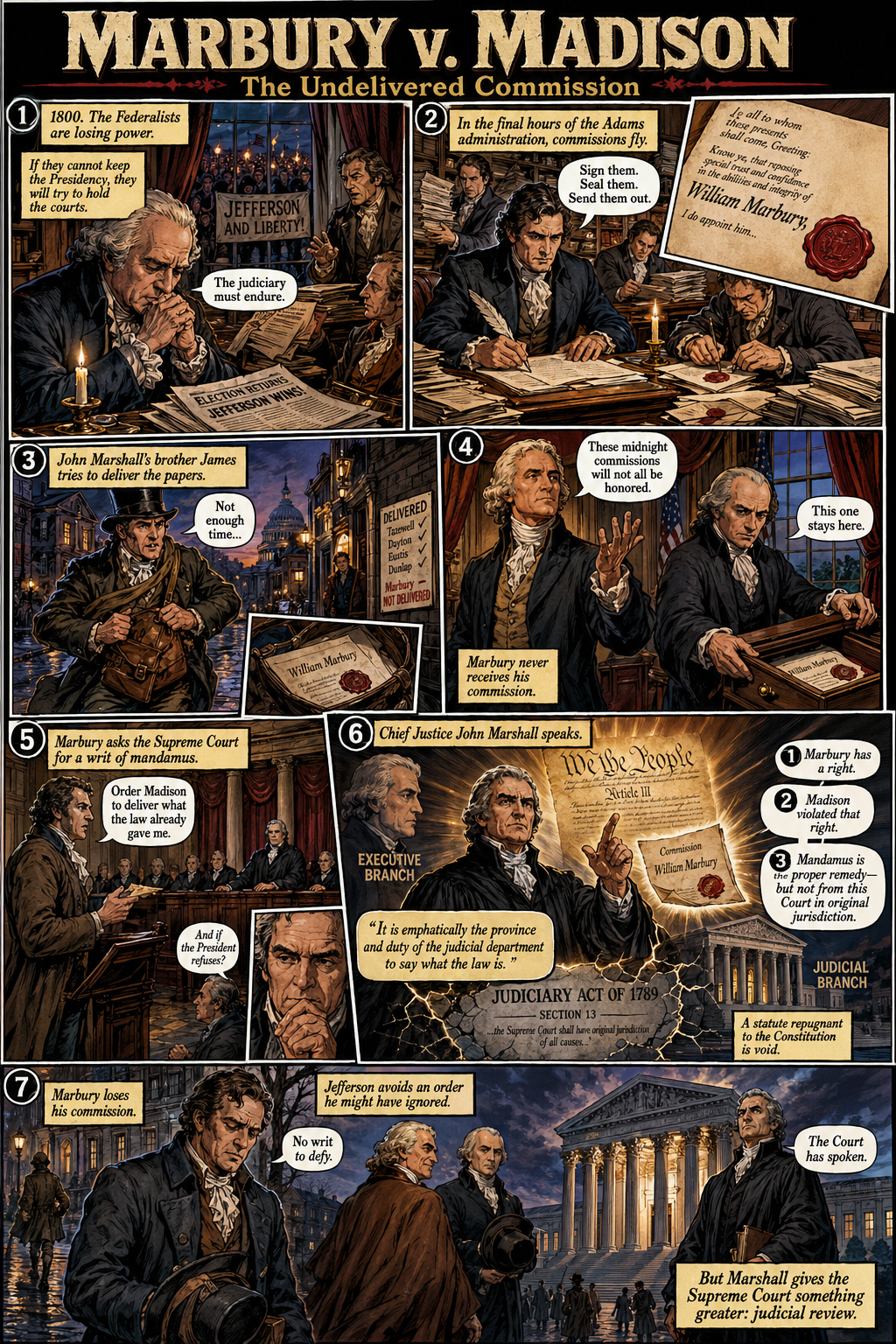
There's this.
 Seth Chandler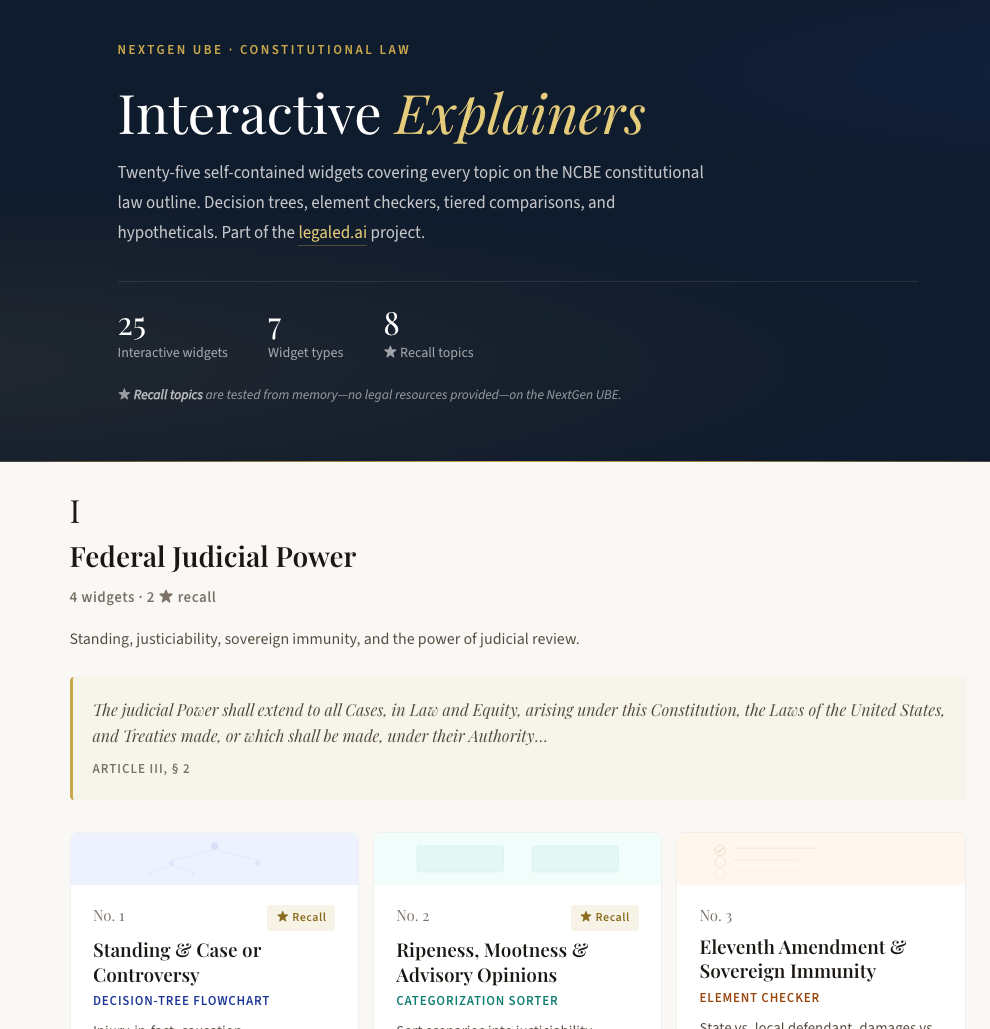
And this (from before Sora was killed off)
 Seth Chandler
And this.
 Seth Chandler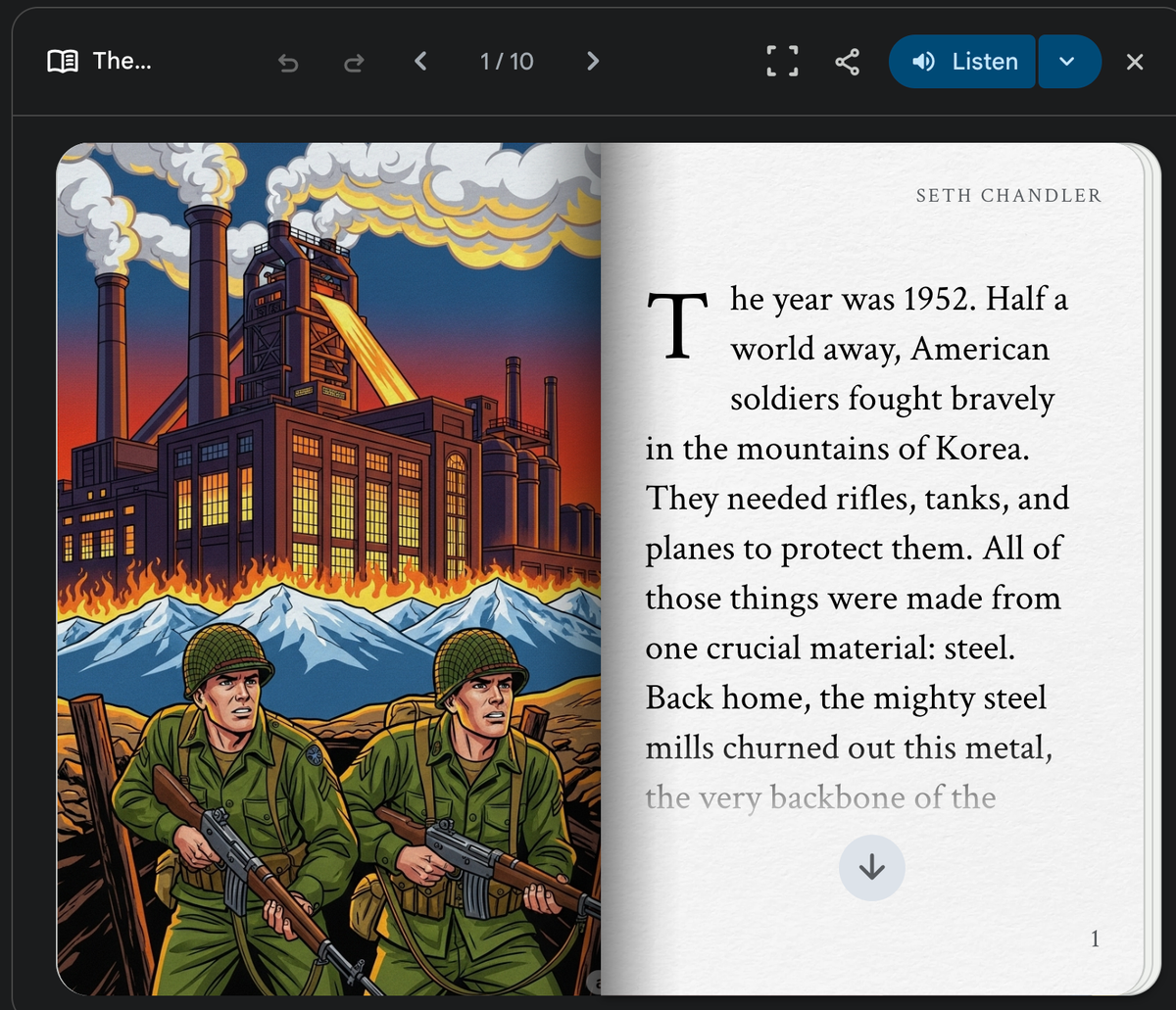
And this.
 Seth Chandler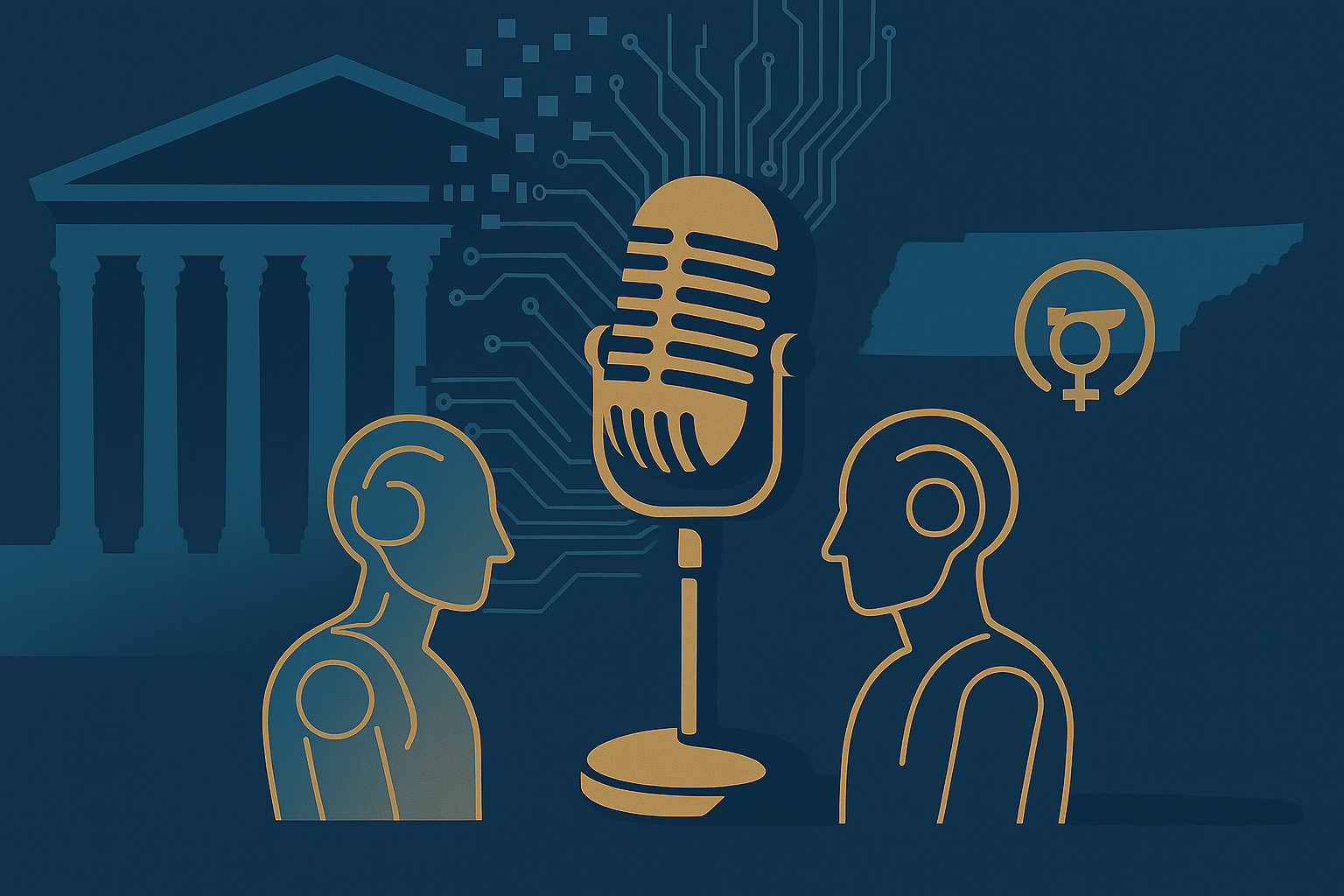
Why do I keep writing about the same topic? Because it matters. My generation may have learned law by reading opinions late into the night, but I have little confidence that works for students today. (I'm actually not to sure how well it worked for many back then). People learn most when intellect and emotion are fused, which is why real life is so often the best teacher. The classroom can only simulate real life, so we owe students the most vivid simulations we can build, sometimes with a dash of humor. For most of my career, the limit on that was my own skill. I can't sing very well. I can't draw very well. And I honestly don't know how to edit video. That limit is now largely gone. What matters is whether we have good ideas about what students need to see and hear. I have some, and AI can bring them to life. Its capabilities in that endeavor just keep on growing.
Correct Answers to my Rhetorical Questions
- Is the video useful pedagogically? Yes. Standing by itself it won't help much in the real world or bar exam. But it sets a tone, it engages the student. It's a useful trailer for the hard work ahead. Educational scaffolding is a good thing
- Good music? I've certainly heard worse. It's a little repetitious and I'm not sure I would want to hear it for more than 3.5 minutes. But it does get out of the way for the lyrics, which themselves could be better. But could also be a lot worse. Just remember, I gave it no guidance. I am betting it could have done a lot better if I hadn't been just trying what I thought would be a crazy experiment.
- Fun? Certainly it's fun as a novelty. Will it be fun after the students have watched the fourteenth B+ video? I'm not so sure. I think the second video – the Kyllo one – may stand up better in the long run. On the other hand, as AI improves and as educator experience with it grows, I suspect the AI videos will become more engaging and provide engagement beyond the initial novelty. Perhaps in a year we will get to the ThreeBlue1Brown level of educational video content in law.